Pest Control: Practical Tactics to Secure Your Living space and Company
Pest Control: Practical Systems to Safeguard Your House and Company
Beginning to Pest Control
Pest Control addresses the handling or organization of organisms categorized as pests – organisms that unfavorably affect individual's pursuits or vicinities. In New Jersey, where assorted habitats converge with residential and built-up development, powerful Pest Control is not only a convenience but a must-have for ensuring salubrious residential and vocational spaces. From the widespread neighborhoods of Monmouth County to the unified districts of Matawan, pest invasions can impact anyone, no matter of how pristine or adequately preserved their real estate may be.
The necessity of implementing successful Pest Control tactics could not be overstated. For occupants, pests can impair architectural stability, taint food provisions, and pose major health threats. Organizations confront these equivalent challenges, with the further unease of name injury and probable forfeit of shoppers if problems are detected. Frequent pests in New Jersey encompass small mammals like rats and mice, multiple arthropods such as ants, cockroaches, and bed bugs, and the notably devastating termites that can stealthily compromise a building's underpinning.
The Reason Pest Control Is Crucial
Health Perils of Pest Control Treatments
Many pests contain and convey disorders that can trouble individuals and pets. Vermin are known carriers of hantavirus, salmonella, and leptospirosis. Cockroaches can induce asthma bouts and hypersensitive responses, specifically in youngsters. Ticks, abundant in New Jersey's woodland places, are recognized for conveying Lyme Capitol Exterminating System pest control services NJ disease, while mosquitoes can spread West Nile virus and Eastern Equine Encephalitis. Specialized Pest Control supports diminish these health threats by destroying the basis of these potential disease agents.
Property Injury in Pest Control
The skeletal harm induced by pests can be extensive and exorbitant. Termites singly bring about over $5 billion in structure impairment annually all over the United States, with New Jersey homes being remarkably vulnerable due to the state's weather. Rodents can munch through power cords, producing fire hazards, while their incessant nibbling can harm insulation, pipes, and wooden architectural parts. Even seemingly inoffensive ants can undermine timber structures if allowed unprocessed, mainly carpenter ants which are common in Monmouth County.
Monetary Consequences of Pest Control Services
Ignoring pest incursions can lead to important economic outcomes. What can commence as a minimal invasion needing elementary remedy can rapidly grow into a substantial predicament necessitating thorough restoration. For organizations, specifically those in the food service or hospitality fields, pest problems can produce unsuccessful health examinations, momentary stoppages, and permanent damage to status and patron belief. Funding in routine Pest Control is not only about prompt comfort—it's a long-term financial protection.
Pest Control: Standard Residential and Firm Pests
Rats and Mice (Rats and Mice)
When it involves detecting rodent issues in your New Jersey home, awareness is key. You can perceive dung near food supplies, in compartments, or beneath sinks. Bite marks on food containers, lumber, and electrical cables are indicative evidence of their occupancy. At evening, you may hear scraping noises in partitions, overhead surfaces, or underneath floors as these night-time beings transform into animated. If you detect homes made from fragmented paper, fibers, or desiccated plant material, that's a obvious indication rodents have set up themselves comfortable. Oily rub marks against baseboards and dividers show up as rodents utilize the equivalent paths regularly, while your pets may show atypical behavior such as barking or clawing at spots under instruments or furniture where rodents conceal.
Vermin in New Jersey homes and enterprises pose multiple threats surpassing simple bother. They can pollute food and creation zones with bacteria found in their liquid waste and excrement. Their persistent urge to nibble can injure assets, especially wiring, which causes fire threats. In Matawan and encircling regions, the Norway rat and house mouse are especially difficult, thriving in both municipal and suburban settings. Efficient Pest Control actions are crucial to control these devastating trespassers.
Invertebrates (Ants, Cockroaches, Bed Bugs)
Arthropod issues manifest themselves in multiple methods relative to the category. Ant predicaments get obvious when you observe visible ant routes heading toward food reserves, or when you spot minor collections of ground or wood splinters formed by carpenter ants. Cockroach invasions often exhibit themselves through dark dung looking like coffee grounds or black pepper, a particular musty odor that saturates plagued areas, and the occurrence of egg cases in covered corners. Bed bug troubles emerge as rust-colored spots on mattresses and pieces, shed skins near resting locations, microscopic blood discolorations on sheets, and bothersome red swellings on skin ordinarily aligned in a row or cluster.
Bugs typify the most different type of pests in New Jersey. Cockroaches can trigger asthma and allergies while transmitting many pathogens. Bed bugs, while not disease transmitters, cause notable pain, sleep interference, and psychological suffering. Specific ant classes, like carpenter ants usual in Monmouth County's tree-covered spots, can create architectural injury equal to termites throughout time. Skilled Pest Control businesses can distinguish certain insect species and enact focused handling tactics that deal with the specific conducts and fragilities of each pest.
Termites
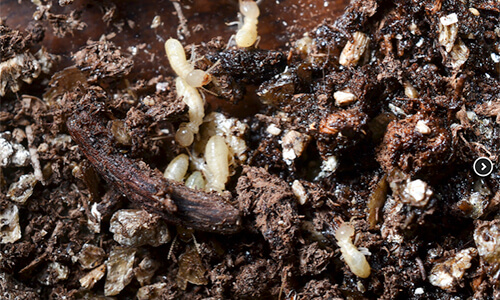
Spotting termite action rapidly entails being aware of the subtle signals of their occurrence. You could notice discarded wings near apertures and portals after swarmers have located a mate and set up a new nest. Mud tubes on outer walls, lumber beams, or in crawl openings work as shielded highways for these destructive arthropods. Wood that rings vacant when hit indicates termites have been feeding from inwardly. Portals and openings that rapidly stick may reveal distorting from termite deterioration, while split or blistering paint looking like water destruction often covers termite operation below. Locating frass—termite excrement looking like minute wood-colored fragments—supplies another corroboration of their unwanted manifestation.
Termites constitute perhaps the most significant architectural risk across all typical pests. In New Jersey, the Eastern subterranean termite is abundant and particularly damaging. These bugs can remain undiscovered for years while producing considerable injury to timber framework elements. Homes in Matawan and all through Monmouth County, principally older structures, are exposed to termite problems. The normal cost of term pest control.
Pest Control Safety Factors
Safe Application of Pesticides and Chemicals in Pest Control
While products grow needed in your pest control plan, focusing on safety demands focus to various important approaches that protect persons, pets, and the ecosystem. Consistently review and comply with product instructions precisely, as these legally-binding directions demonstrate extensive examination and governmental review intended to decrease hazards. Apply the least effective amount of pesticide to accomplish management while reducing unneeded product addition into your home space. Employ products only in spaces stated on the label, avoiding off-label treatments that may produce unexpected risks or diminish effectiveness. Don correct safeguarding apparatus as indicated by chemical companies to eliminate personal contact during application. Keep chemicals in their initial containers with labels preserved to retain availability to safety data and prevent confusion. Maintain detailed documentation of all uses, noting chemicals employed, concentration ratios, areas serviced, and dates of treatment for subsequent use. Ensure adequate drying and air circulation before reoccupying treated locations, especially crucial in New Jersey's climate where humidity can alter curing times. Consider less-toxic substitutes when effective, as progress in pest elimination have created many lower-toxicity options that maintain performance while minimizing possible dangers.
Safeguarding Companions and Young ones During Pest Control Applications
Extra steps grow vital when implementing pest control procedures in homes with sensitive household individuals. Take away animals during treatment and until surfaces are cured to stop close interaction with moist chemicals or vapors that could produce bad responses. Cover or remove pet nutrition, water bowls, and items before treatment to eliminate contamination that could lead to unintentional ingestion. Store children's playthings away from treatment areas, specifically objects that small children might place in their mouths. Sanitize and sterilize meal cooking counters after service, even if they weren't directly applied to, to get rid of any remains that might have settled during application. Hold children distant from applied locations for the specified time, extending this time for mobile babies who have increased immediate exposure with ground and low surfaces. Examine pet-safe and kid-friendly product alternatives when accessible, as many recent formulations target particular pest physiology while decreasing human harm. Most importantly, inform qualified applicators about the presence of animals, children, or expecting home occupants before they formulate service plans, permitting them to adapt approaches and chemical choices appropriately.
Regulatory Rules and Compliance with Pest Control
Pest control in New Jersey operates within a official structure intended to shield public wellness and the ecosystem while providing efficient pest control. The New Jersey Department of Environmental Protection monitors pest elimination operations, requiring expert pest management firms to fulfill certain criteria. Organizations must hire licensed applicators who have passed state assessments showing skill in pest biology, application procedures, and safety standards. These companies must copyright proper insurance coverage safeguarding both their technicians and their patrons from possible harm or harm associated with pest control activities. Stringent rules oversee chemical housing, transport, and disposal to prevent ecological pollution and improper access. Professionals must give Safety Data Sheets upon inquiry, detailing the characteristics and risks of substances used in applications. Notice guidelines apply for particular applications, particularly in multiple-unit buildings or commercial spaces with numerous tenants. Comprehensive service logs must be kept, establishing an review path of pest management activities. Furthermore, only products approved for use in New Jersey may be lawfully employed, confirming that area ecological circumstances and environments have been considered in the authorization system. For business properties in Matawan and throughout Monmouth County, supplementary rules may apply depending on the sector, particularly for restaurant business, health, and daycare centers where pest elimination meets with other public health aspects.
Green Pest Control Options
Integrated Pest Management (IPM) Method
Combined Pest Control constitutes the gold benchmark in contemporary pest control, focusing on extended prevention through a mix of strategies that minimize environmental influence while optimizing success. The IPM system initiates with complete assessment and surveillance to identify pest pressure exactly, creating initial details about varieties present and number densities. This results in exact determination of pest species, making certain control efforts target individual actions and vulnerabilities rather than employing universal methods. Experts set threshold levels that justify treatment, acknowledging that the basic existence of a handful of creatures does not always need action if populations stay below destructive levels. When intervention becomes essential, IPM applies numerous control methods in combination, commonly starting with safest techniques and increasing only when essential. Across the procedure, professionals assess effectiveness and adapt strategies as needed, building a flexible system adaptive to shifting situations. Most vitally, IPM stresses deterrence over control, tackling physical and environmental elements that support pest numbers rather than simply removing current organisms. Many pest control businesses in New Jersey supply IPM-based services that coordinate with the area's drive toward safer pest control practices, especially in vulnerable environments like schools, healthcare centers, and meal production plants.
Natural Control Methods
Successful pest control often integrates alternative strategies that can address or decrease pest troubles without inserting pesticides into the surroundings. Mechanical barriers such as filters, entrance sweeps, and sealing stop pest entry completely, handling the problem at its root. Mechanical methods like catches and blocking equipment take away active creatures while preventing additional arrivals. Natural systems containing beneficial bugs and bacteria add living opponents that aim at specific insects while leaving useful insects unharmed. Management techniques modify the surroundings to deter organisms, such as altering watering schedules to lower humidity that attracts particular pests. Habitat modification reduces harborage and feeding supplies, creating areas less welcoming to troublesome visitors. For specific creatures like bedbugs, thermal treatments offer highly productive elimination without harmful traces by increasing thermal levels past the heat fatal threshold for all developmental cycles of the specific pest. In the same way, cooling techniques for warehoused goods creatures like grain insects or kitchen moths can eliminate problems in consumable goods without harmful exposure. These methods establish notably beneficial in New Jersey's mixed environments, where proximity to marine areas, preserved wild regions, and concentrated community centers produces multiple circumstances where toxic reduction turns preferable or needed.
Sustainable Pest Control Treatment Methods
The pest control business maintains to progress toward additional sustainable methods that keep success while decreasing ecological footprint. Natural insecticides sourced from natural compounds like pyrethrum, neem, and concentrated extracts supply specific control with reduced duration in the surroundings. Living treatments including microorganisms, molds, or organisms that target certain pest organisms supply exactness that traditional general pesticides cannot equal. Development inhibitors that stop pest mating by interrupting with growth processes provide lasting number control without instant dangerous consequences on mature pests. Pheromone systems that observe or interfere with pest reproduction aid figure out when treatment grows required and can prevent reproduction in specific types. The sector increasingly implements safer products with minimal surrounding impact, moving away from older chemistries with more extensive influences on unintended creatures. Targeted treatment systems that minimize overall chemical use apply procedures precisely where needed rather than scattering substances around extensive areas. Eco-friendly qualification schemes for pest control companies determine guidelines for environmentally favorable service and supply consumers with distinct recognition of services dedicated to sustainable approaches. In ecologically vulnerable areas of New Jersey, containing sections of Monmouth County with closeness to water bodies, these environmentally-friendly strategies are notably important for safeguarding both people's wellness and ecological environments while nonetheless supplying efficient pest treatment.
Finding a Local Pest Control Service Provider in New Jersey
Capitol Exterminating System
272 NJ-34
Matawan, NJ 07747
(732) 441-1900
Often Asked Queries (FAQs) about Pest Control
How often should pest control be carried out?
For the majority of New Jersey residences, quarterly pest control delivers sufficient safeguarding against recurring pest activity. This timing aligns with the region's distinct seasons, each bringing various pest issues that need proactive consideration. Early season procedures usually address appearing ant communities and dormant pests getting active. Summer treatments center on mosquitoes, parasites, and numerous aerial bugs that prosper in heated temperatures. Autumn treatments set up houses for mice and rats and overwintering pests looking for refuge as temperatures fall. Cold season procedures keep protection against indoor pests while handling mouse and rat pressure at its maximum. Nevertheless, this timing may grow for structures with specific hazard aspects or active concerns that demand increased thorough treatment. Houses adjacent to forested locations in Monmouth County may gain from extra tick and mosquito services throughout top cycles. Homes with record of specific pest issues commonly demand targeted follow-up treatments beyond the typical four times yearly frequency. Business facilities, notably restaurant industry establishments in regions like Matawan, regularly require monthly attention to preserve agreement with sanitary requirements and prevent invasions that could damage standing and trade processes.
Is qualified pest control safe for companions?
When performed properly, qualified pest control can be harmless for animals through thoughtful substance choice and treatment approaches that limit contact. Today's focused employment techniques and safer products have markedly upgraded security profiles compared to previous pest control techniques. Current treatments often apply compounds particularly engineered to have low harm to pets while keeping successful against designated insects with distinct body systems. Qualified applicators receive instruction in employment techniques that place materials in locations pets cannot access, such as wall spaces, splits and spaces, or behind appliances. Though, pets should be removed throughout application and until all treatments have dried completely, adhering to specific waiting periods suggested by the material company and professional. Water tanks should be shielded and air devices turned off during application to eliminate exposure from floating substances. Pet items such as beds, objects, and eating bowls should be moved or shielded while performing service. Address any issues with your pest control provider, who can advise suitable waiting times depending on the certain treatments used and adapt techniques for residences with notably delicate companions like birds or reptiles that may have separate biological sensitivities than felines and dogs.
What are the symptoms of a serious pest problem?
Beyond observable pests themselves, numerous alert signs suggest likely major problems calling for immediate pest control treatment. Strange smells regularly develop with big problems – moldy, fatty odors may reveal rodents, while sugary, nutty smells occasionally come with German insect communities. Puzzling physical harm like drooping boards, bubbling paint, or deteriorating timber may indicate termite presence or wood-boring ant problems damaging building elements. Odd disturbances within walls or roof areas, particularly at evening, frequently reveal rodent activity as these nighttime creatures turn mobile in secret spaces. Plentiful particles looking like small wood particles close to wooden parts may in fact be waste or feces from timber-damaging organisms. Some households experience unknown wellness concerns like airway troubles or irritation that disappear when away from house, likely revealing pest invasions influencing inside atmosphere standard. In New Jersey homes, specific focus should be paid to lower level and lower spaces where dampness concerns can encourage pest colonies, notably in older homes throughout Monmouth County where structural openings and deteriorating binding provide numerous entry places. Encountering several deceased creatures of the similar kind suggests a more extensive group nearby, while fat signs around baseboards reveal established small mammal pathways with ongoing use.
Can I eliminate insects without pest control products?
Yes, multiple insects can be eliminated through appropriate cleanliness, blocking, and living space adjustment without resorting to pesticide treatments. The base of natural pest control commences with complete barrier work – sealing gaps, openings, and holes that enable creatures to invade properties in the starting position. Placing entry barriers, restoring torn mesh, and closing service holes gets rid of usual penetration places. Removing nutrition options through correct meal containment in sealed containers, fast cleaning of drops and fragments, and frequent refuse removal substantially minimizes lures that attract pests into homes. Decreasing dampness by correcting flowing fixtures, upgrading air circulation in wet spaces, and tackling runoff troubles gets rid of the water resources multiple pests demand. Keeping a separation area surrounding homes by reducing plants, eliminating organic debris, and maintaining timber off the ground and distant from structures lowers hiding locations and penetration spots. Employing tangible obstacles like metal wire or steel material to stop bigger spaces provides enduring prevention for rodents and large mice. Consistent care that includes suction cleaning gaps and crevices gets rid of pest young and feeding matter that encourage pest development. For active problems, nevertheless, some form of control agent may be needed to resolve confirmed concerns, though numerous safer alternatives are accessible including diatomaceous material, boric compound, and bug-eliminating detergents that deliver decreased hazard relative to conventional substances.
What should I anticipate during professional pest control treatment?
A qualified pest control service commonly begins with a comprehensive inspection to identify pest varieties, invasion locations, and encouraging conditions adding to the concern. The professional should take care inspecting both internal and outdoor zones, giving particular care to food preparation areas, bathing facilities, cellars, and boundary bases where pest presence often focuses. After this evaluation, the professional should clarify their discoveries in thoroughness and propose a procedure program designed to your particular condition, addressing both the target pests and the techniques recommended for treating them. You may get setup steps before treatment, possibly including repositioning objects, emptying certain locations, or securing pets. Throughout the application, the professional will apply appropriate products to designated zones according to the pest varieties identified, emphasizing on gaps, crevices, and pest shelter zones rather than broadcasting applications over entire regions. They may position monitoring equipment like bug catches or food containers that support follow development and supply ongoing security. After concluding applications, a specialist should describe any after-service precautions such as air circulation needs, occupancy intervals, or areas to clean. Before departing, they should set up return visits if required for notably persistent creatures like bed bugs or German roaches that generally call for various services for total eradication. Throughout this process, specialists should encourage questions and provide understandable facts about the substances and approaches utilized, reflecting their instruction and commitment to both success and protection.
Effective pest control is an vital component of preserving sanitary, protected home and professional areas in New Jersey. From the wet summers that produce flying insects and blood-sucking insects to the cooler times when mice and rats seek protection within, pest threats remain a continuous worry for residents and businesses in Monmouth County and Matawan. By understanding typical organisms, implementing protective steps, and recognizing when to obtain expert help, structure operators can protect their assets and the safety of residents.
Adopting a preventive system to pest control is consistently additional efficient and budget-friendly than handling to existing invasions. Regular evaluations, proper preservation, and handling little issues before they escalate can stop the significant costs and interruptions associated with substantial pest issues. When expert support grows essential, choosing a reliable, qualified pest control specialist who utilizes combined pest treatment strategies delivers successful achievements with minimal environmental footprint.